Back
In the Media
How Space Logistics Can Enable More Resilient Military Operations in Orbit
Posted Posted in In the Media
Traditionally, a satellite launches with everything it can carry for its entire life span. When its fuel is depleted or it loses operability in a way that can’t be resolved, it has reached the end of its useful life. On-orbit servicing introduces a different model.
During the “What Comes Next for On-Orbit Servicing?” webinar hosted by SpaceNews’s Sandra Erwin, our Senior Director of Business Development for National Security, Dennis Wille, joined Colonel Scott Carstetter, Director of Servicing, Mobility, and Logistics at Space Systems Command, United States Space Force (USSF), and Rachel Price, Satellite Systems Engineer at Starfish Space, to discuss what is needed to get an in-orbit logistics ecosystem up and running.
On-Orbit Refueling Changes the Fuel Equation
Refueling was top of mind amongst the panel. Col. Carstetter described how refueling and servicing could give the Space Force new freedom to maneuver and operate spacecraft in ways that aren’t possible when working with a finite fuel supply. “If we have a refueling capability in space, if we have the ability to service those vehicles, it changes the dynamic,” he said. “It allows us to operate in space like we never have before.”
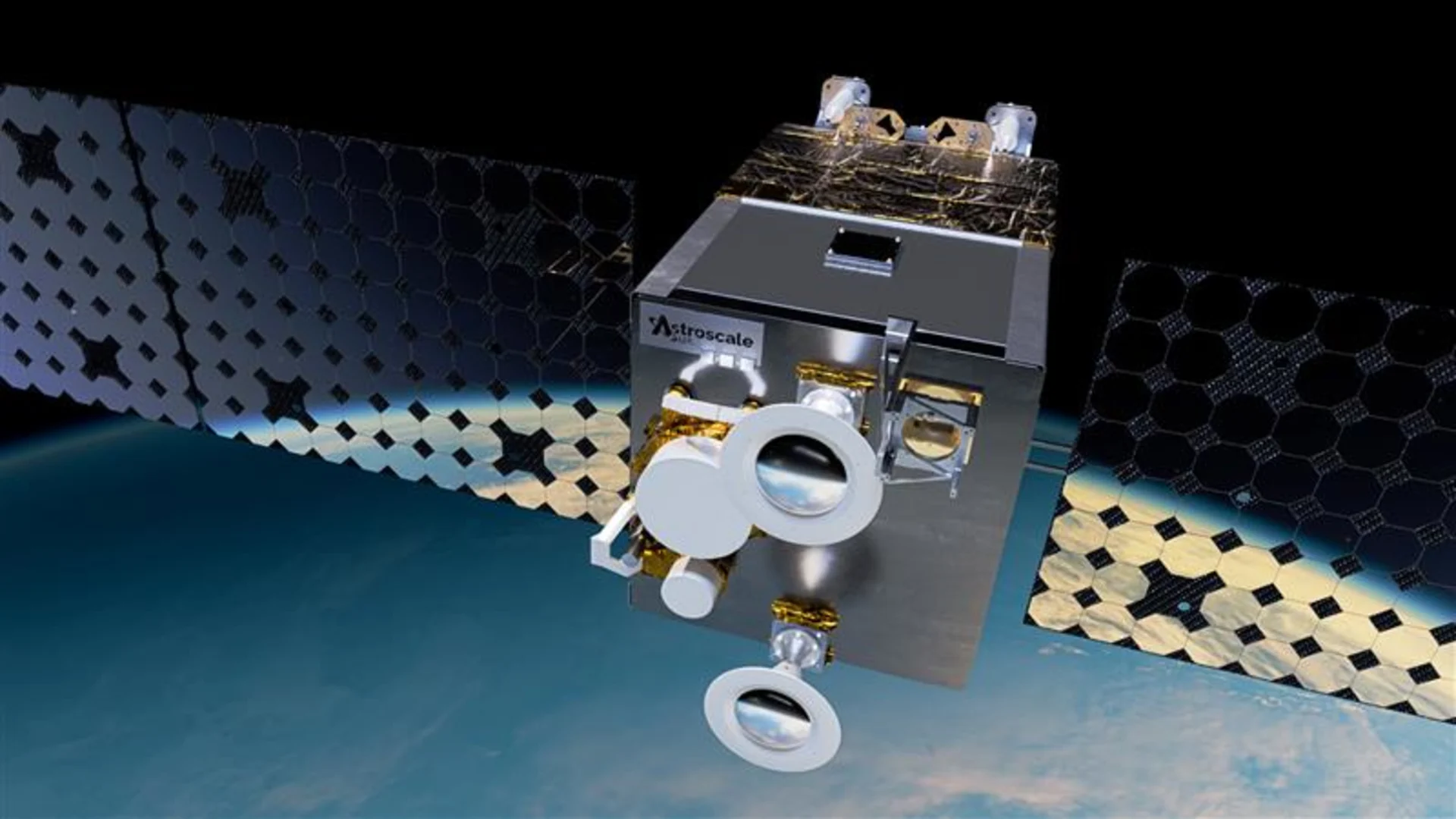
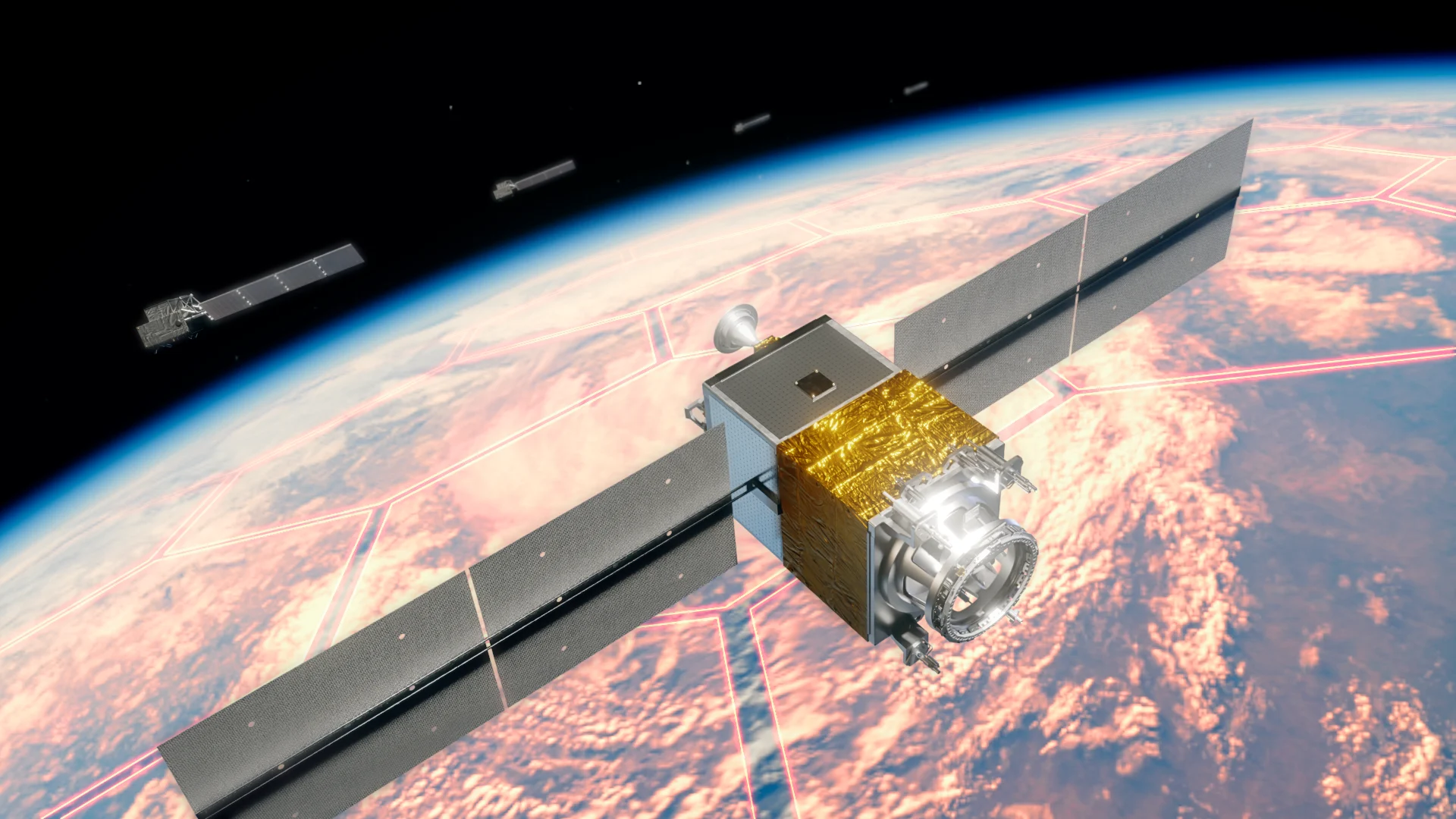
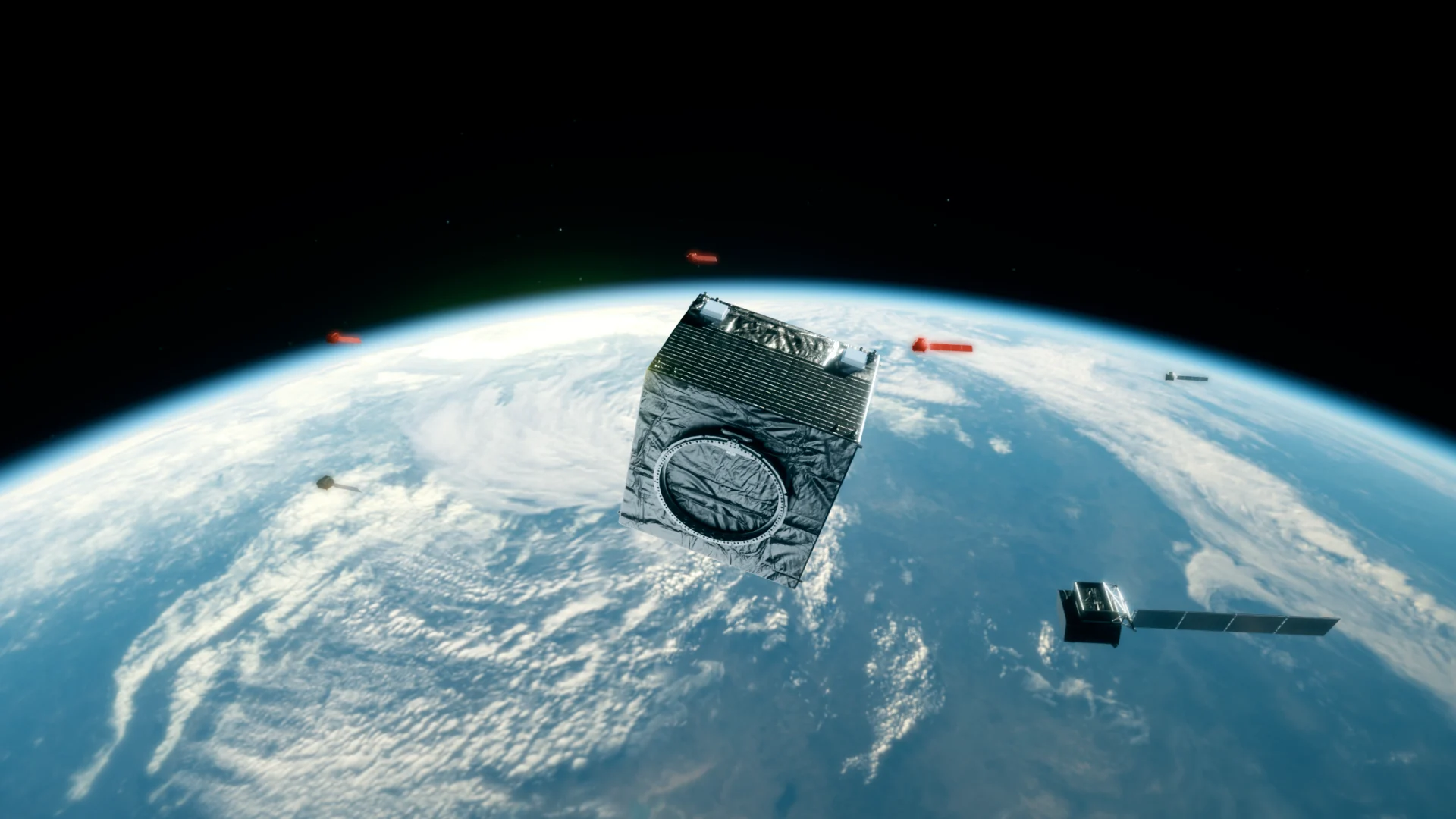
The Space Force is taking the first step towards that future with Provisioner®. The Astroscale U.S. refueler will conduct the first-ever refueling of a USSF asset, laying the groundwork for refueling operations to be scaled to support a larger architecture in which a commercial servicer can refuel a government spacecraft, fill up at an orbital depot, and return to provide additional service.
Space Logistics Extends Capability, Not Just Mission Life
The value of satellite refueling extends beyond simply keeping a spacecraft operating longer. As Wille explained, “We want to get to the point where fuel is no longer the long pole in the tent for operators.” That distinction is important. Refueling is not only about adding years to a spacecraft's life but also expanding what U.S. military operators are able to accomplish with the asset they already have in orbit. “It isn’t always about life,” said Wille. “That gets thrown around a lot. It’s actually about doing more with what you’ve launched in the first place.”
With access to replenishment, operators could have greater flexibility to maneuver, conduct additional missions, and generate more operational value from spacecraft already in orbit. “We would love to be on orbit and, if we needed fuel, be able to pull up to a gas station or click a button and have it be full service and come right up to us,” said Carstetter.
Serviceability Starts With Spacecraft Design
The discussion then moved to serviceability. Building an operational space logistics ecosystem opens up opportunities to create infrastructure, interfaces, operational concepts, acquisition models, and policies to make servicing routine.
Wille pointed to an important evolution in how spacecraft could be designed. “The future of on-orbit servicing isn’t just about interacting with spacecraft that have never been engineered to be serviced, but that the clients and the servicing companies are actually doing mission design cooperatively and complementary from the very beginning.” Designing spacecraft with servicing in mind could expand opportunities for refueling, maneuver, inspection, repair, life extension, and other services throughout the spacecraft lifecycle.
The Logistical Next Step
There was consensus among the group that moving from one-time servicing demonstrations to routine space logistics will fundamentally change how military spacecraft are designed, operated, and sustained. Refueling is an important step toward that future, but the larger opportunity is creating an architecture in which servicing is planned from the beginning and operators can access the capabilities they need throughout a spacecraft’s lifecycle. By integrating serviceability into spacecraft design and building the commercial infrastructure to support it, the United States can get more operational value from assets already in orbit while giving operators greater flexibility to respond as mission needs evolve.
Watch the full discussion now.